









Get in touch
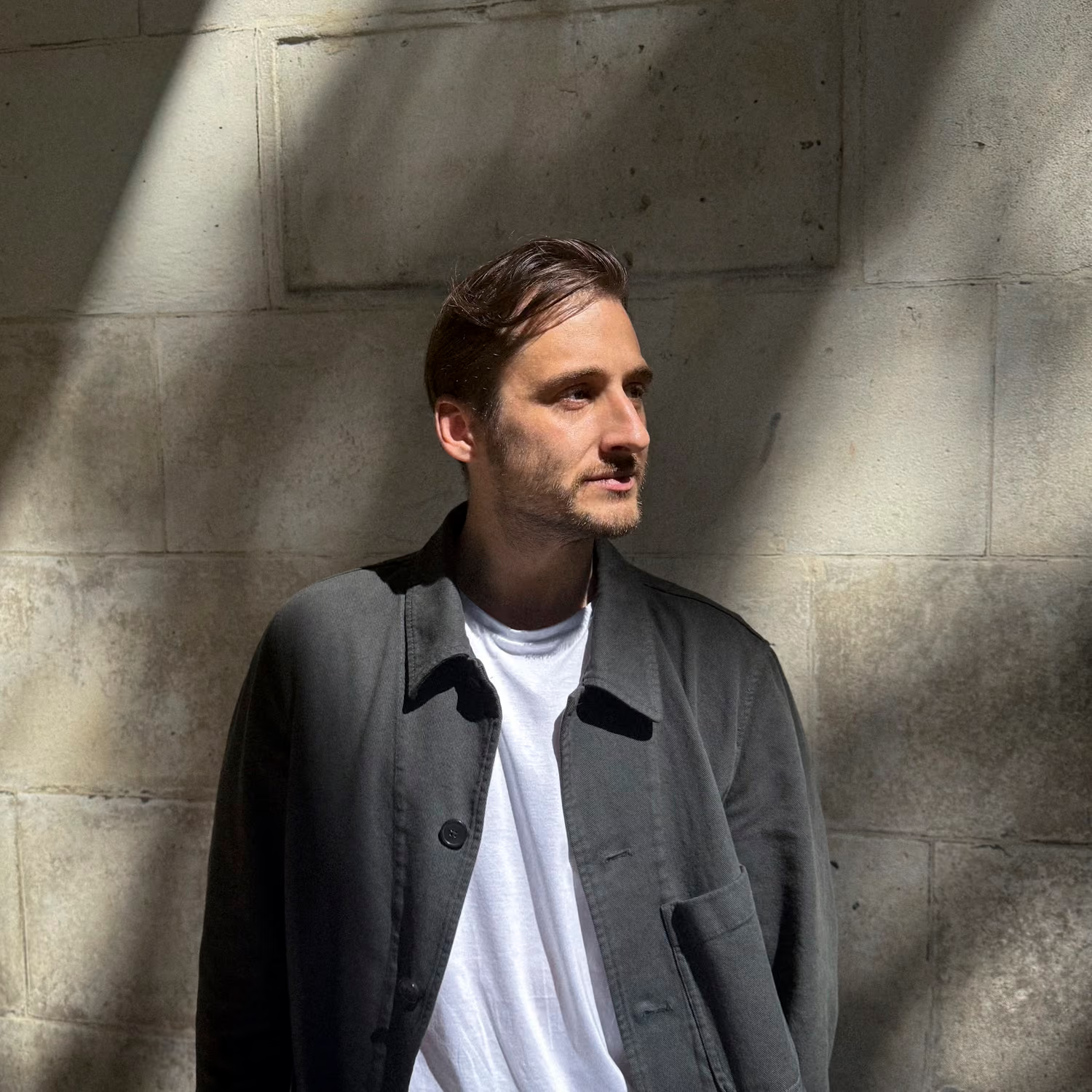
Alexander SpencerFounder
Diabetes has been part of my life since my twenties — I vividly remember the day I was diagnosed in hospital. Halo is becoming the calm, steady companion I wish I'd had from that day on.
I was in my final year of university when I was diagnosed, having narrowly avoided becoming a statistic of those unfortunate enough to not make it. I was, however, fortunate to be treated in one of the UK's leading centres for diabetes. Yet, more than a week later, I was released into the world with a life-altering condition, and I left knowing close to zero.
I was told, by a well-intentioned doctor, that managing diabetes would eventually become like shaving. If you're diabetic, you know how far that is from the truth. It isn't simple or routine — it shifts as your body changes, as your life changes, as your mindset adapts. But it isn't all gloom: every person's life, and their experience of diabetes, is different.
I had just finished studying literature and philosophy, and was about to begin further study at Cambridge, when I was diagnosed. As medical devices became a fixture of daily life, I retrained as a Design Engineer — to build technologies that meaningfully improve people's health and quality of life.
I am a staunch advocate for equity in health and disability. We each deserve the highest standard of care — designed around our individual needs, ideally by the people who will rely on it most. The tech we depend on should make life better and more effortless, freeing us to spend less mental energy on our condition.
This belief is the foundation of everything we build at Halo.
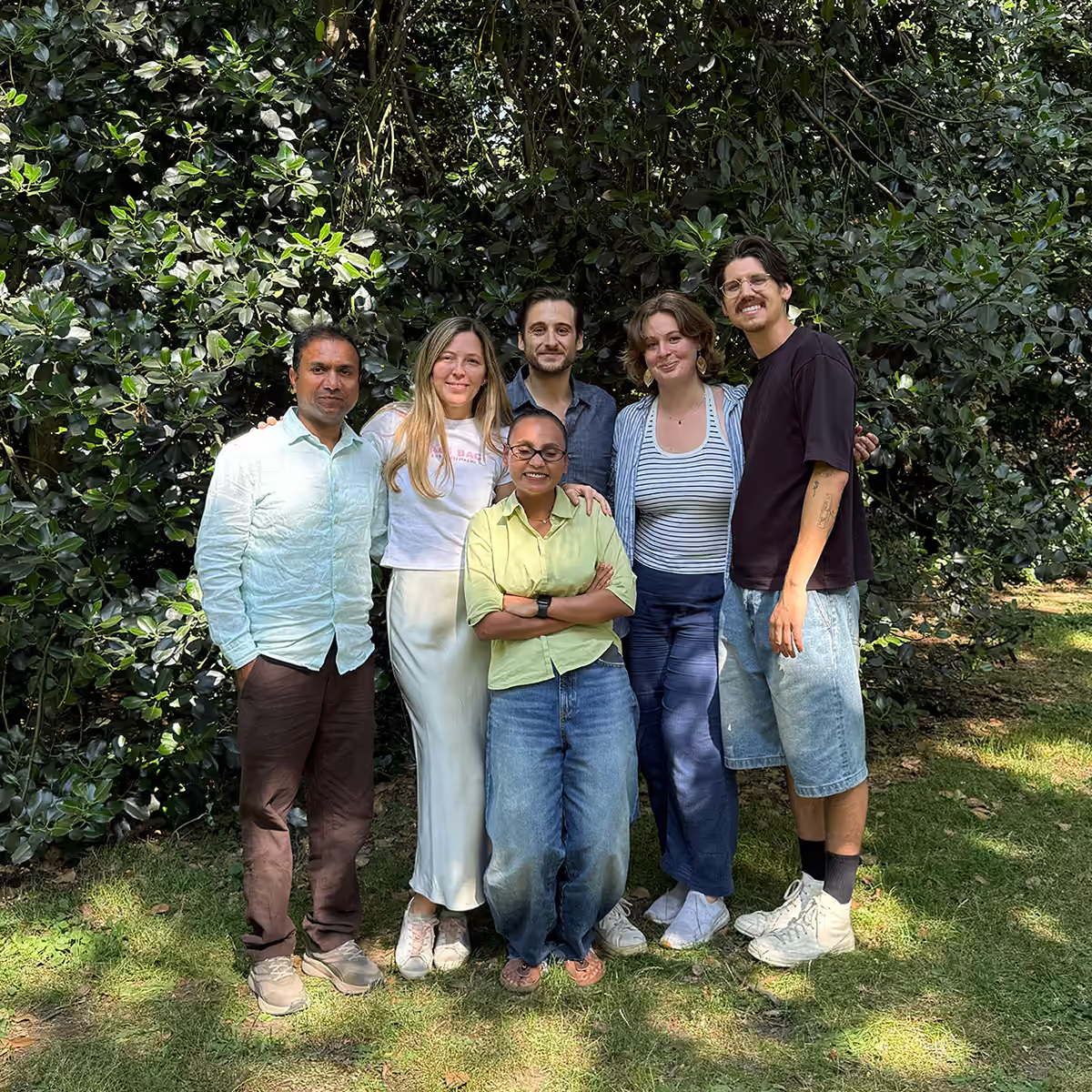
Who we are
Halo is built on the belief that people with diabetes deserve the highest quality care. For long-term conditions, physical health, mental wellbeing, and support are deeply connected — one falls down without the other.
Our team of designers, engineers, and data scientists comes from world-leading design studios, software, public health, and behaviour change. This blended skillset lets us approach diabetes, with all its nuance, from a unique perspective — exploring how AI can transform diabetes, led by human design.
Supported by
Partner with us
We are always looking to partner with organisations who align with our mission. You might be a charity, clinic, or research centre. If this is you, get in touch.
Get in touch